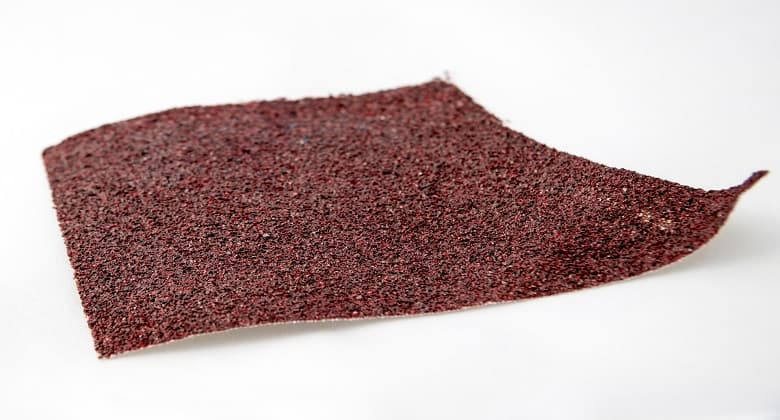
Sandpaper and abrasives are essential for surface preparation, smoothing rough areas and creating a better finish before painting, staining or sealing. Choosing the right abrasive can make DIY jobs easier and improve the final result, whether you are decorating, repairing furniture or working on wood, metal or filler. At DIY365, you can compare prices on abrasives and decorating supplies from a range of retailers.
Why sandpaper choice matters
Using the wrong abrasive can slow you down, damage the surface or leave a poor finish. The correct grit and abrasive type help remove material efficiently while still giving you the level of smoothness you need.
Understanding grit
Grit refers to how coarse or fine the abrasive is.
Coarse grit
Coarse abrasives are useful for stripping back rough surfaces, removing old finishes or shaping filler and wood more quickly.
Medium grit
Medium grit is a general-purpose option for smoothing and surface preparation.
Fine grit
Fine abrasives are better for finishing work and creating a smoother surface before painting or sealing.
Which abrasive is best for decorating prep?
For many decorating jobs, a medium grit is a practical starting point, followed by a finer grit if a smoother finish is needed. This is common when preparing woodwork, filler or painted surfaces for repainting.
Common DIY uses for sandpaper and abrasives
- Smoothing filler before painting
- Preparing wood for stain or paint
- Keying glossy surfaces before repainting
- Removing rough edges and imperfections
- Refining furniture and repair work
Should you buy sheets, rolls or sanding discs?
The right format depends on the job and the tools you are using. Sheets are useful for hand sanding, while discs and shaped abrasives suit power sanders and more specific tasks.
Hand sanding vs machine sanding
Hand sanding offers more control and is often better for detail work, smaller surfaces and delicate finishing. Machine sanding is quicker for larger jobs and can save time when removing more material.
What to consider before buying abrasives
- The surface material
- Whether you are removing material or finishing
- The grit required
- Compatibility with hand tools or power sanders
- Value for money in multi-pack options
Final thoughts
The right sandpaper and abrasives help you prepare surfaces properly and improve the finish of almost any DIY job. Before buying, think about the surface, the amount of material you need to remove and the finish you want. DIY365 makes it easier to compare prices on abrasives, sanding supplies and decorating essentials before you buy.